
Increased cancer risk refers to a higher likelihood or probability of developing cancer compared to the general population. It means that certain factors or conditions increase the chances of developing cancer in an individual. While not everyone with increased risk will develop cancer, the presence of these risk factors indicates a higher susceptibility to the disease. Some factors that can contribute to an increased cancer risk include:
Genetic Factors: Certain inherited gene mutations, such as BRCA1 and BRCA2 mutations associated with breast and ovarian cancer, can significantly increase the risk of developing specific types of cancer. Family history of cancer can also be an indicator of increased risk.
Environmental Exposures: Exposure to certain environmental factors, such as tobacco smoke, harmful chemicals, radiation (e.g., excessive sun exposure or occupational exposure), asbestos, and air pollution, can increase the risk of developing cancer.
Lifestyle Choices: Certain lifestyle choices and behaviors can contribute to an increased cancer risk. These include tobacco use (smoking or chewing tobacco), excessive alcohol consumption, a poor diet high in processed foods and low in fruits and vegetables, lack of physical activity, and being overweight or obese.
Age: The risk of developing cancer generally increases with age. As individuals get older, their cells accumulate more genetic changes, making them more susceptible to cancer development.
Chronic Inflammatory Conditions: Chronic inflammatory conditions, such as inflammatory bowel disease (IBD) or chronic hepatitis, can increase the risk of certain cancers in the affected organs.
Hormonal Factors: Hormonal factors can influence cancer risk. For example, prolonged exposure to estrogen without progesterone in women (such as early onset of menstruation, late menopause, or not having children) may increase the risk of breast or ovarian cancer.
Immunodeficiency: Individuals with compromised immune systems, such as those with HIV/AIDS, organ transplant recipients, or those taking immunosuppressive medications, have a higher risk of certain cancers due to their weakened ability to fight off abnormal cell growth.
It’s important to note that having an increased cancer risk does not guarantee the development of cancer. However, individuals with increased risk factors may benefit from additional screening, early detection strategies, and lifestyle modifications to minimize their overall risk. Regular check-ups, cancer screenings, and adopting a healthy lifestyle can help mitigate the impact of increased cancer risk and improve overall health outcomes.

What is the cure?
The concept of a “cure” for cancer depends on the specific type and stage of cancer. In general, cancer treatment aims to achieve remission or control the disease, alleviate symptoms, prolong survival, and improve the quality of life. Treatment approaches can vary widely and may include one or a combination of the following:
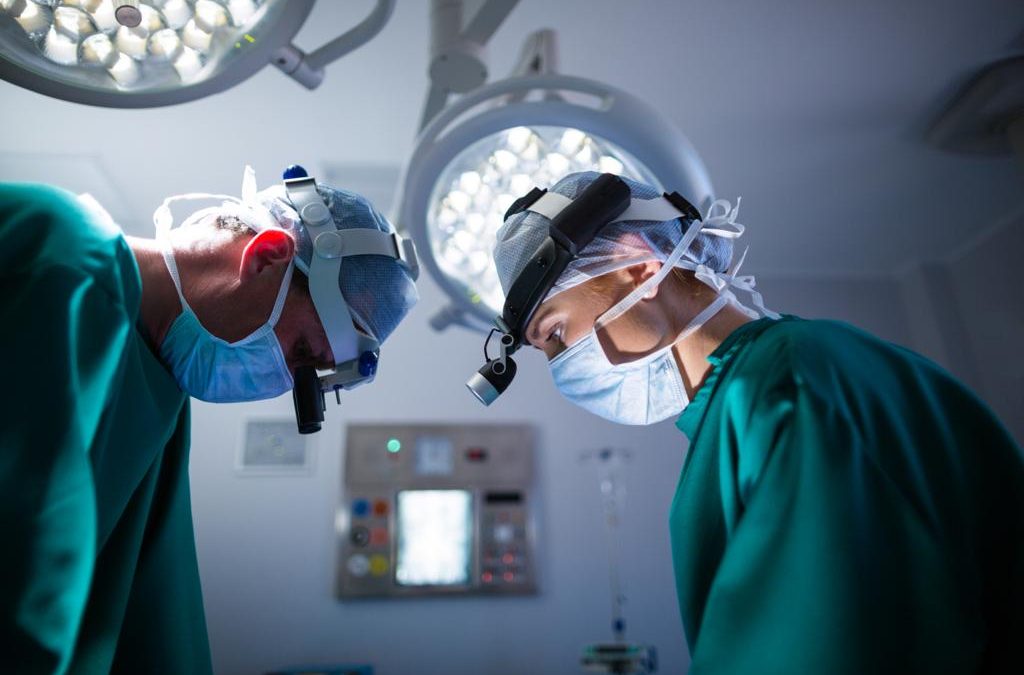
Surgery: Surgical removal of cancerous tumors or affected tissue is a common treatment option for localized cancers. It aims to eliminate or reduce the tumor burden and may be combined with other treatments.
Radiation Therapy: Radiation therapy uses high-energy beams to kill or shrink cancer cells. It is often used in conjunction with surgery or as a primary treatment modality for specific cancers.
Chemotherapy: Chemotherapy involves the use of drugs to destroy cancer cells or slow their growth. It can be administered orally, intravenously, or directly into specific body cavities. Chemotherapy is systemic, meaning it can target cancer cells throughout the body, but it may also affect healthy cells.
Targeted Therapy: Targeted therapy uses drugs or other substances that specifically target cancer cells while minimizing damage to normal cells. These treatments often target specific genetic mutations or abnormal proteins found in cancer cells.
Immunotherapy: Immunotherapy enhances the body’s immune system to recognize and attack cancer cells. It can include immune checkpoint inhibitors, CAR-T cell therapy, or cancer vaccines.
Hormone Therapy: Hormone therapy is used to treat cancers that are hormone-sensitive, such as breast or prostate cancer. It involves blocking or suppressing the hormones that fuel the growth of cancer cells.
Stem Cell Transplantation: Stem cell transplantation, also known as a bone marrow transplant, involves replacing damaged or diseased bone marrow with healthy stem cells to help restore the body’s ability to produce normal blood cells.
Palliative Care: Palliative care focuses on providing relief from symptoms, managing pain, and improving the quality of life for individuals with advanced or terminal cancer. It aims to address physical, emotional, and psychological needs.
It’s important to note that the choice of treatment and the potential for a cure depend on various factors, including the type of cancer, stage of cancer, overall health, and individual circumstances. In some cases, complete remission or eradication of cancer may be achievable, leading to a cure. However, in other cases, cancer may be managed as a chronic condition, with the goal of controlling the disease and extending survival while maintaining quality of life.
Early detection through regular screenings, adopting a healthy lifestyle, and seeking timely medical care can improve the chances of successful treatment and outcomes. Consulting with oncologists and healthcare professionals specialized in cancer care is crucial for accurate diagnosis, treatment planning, and ongoing management.

Can weight loss prevent increased cancer risk?
Maintaining a healthy weight can help reduce the risk of certain types of cancer. Research has shown that excess body weight, particularly obesity, is associated with an increased risk of developing several types of cancer, including breast, colorectal, endometrial, kidney, and pancreatic cancer, among others.
Excess weight can lead to chronic inflammation, hormonal imbalances, and insulin resistance, which are factors that can contribute to the development and progression of cancer. Additionally, fat tissue produces certain hormones and growth factors that can promote the growth of cancer cells.
By losing weight and maintaining a healthy weight, individuals can reduce their risk of these obesity-related cancers. Weight loss achieved through a combination of a balanced diet and regular physical activity can help improve overall health, reduce inflammation, normalize hormone levels, and improve insulin sensitivity, all of which can contribute to a decreased risk of cancer.
If you are looking for an effective weight loss program which can help you get back in safe and convenient way then consider Body by Biju. Our #30DayHealthChallenge is simple, effective, and perfect for those who are at increased cancer risk. Join now and boost your goal to get healthy!
Learn more: https://bodybybiju.com/30-day-health-challenge-program/
#cancerrisk #prevention #cure #WeightLoss #HealthGoals #health #fitness #bodybybiju